Behind the Chapters · 6 min read
Why we tell each pilgrimage as a chapter, not a package
Every circuit — Char Dham, Panch Kedar, the Jyotirlingas — carries a story that stretches millennia. Here is the thinking behind how we frame each one.
Shamila Kohli · February 2026
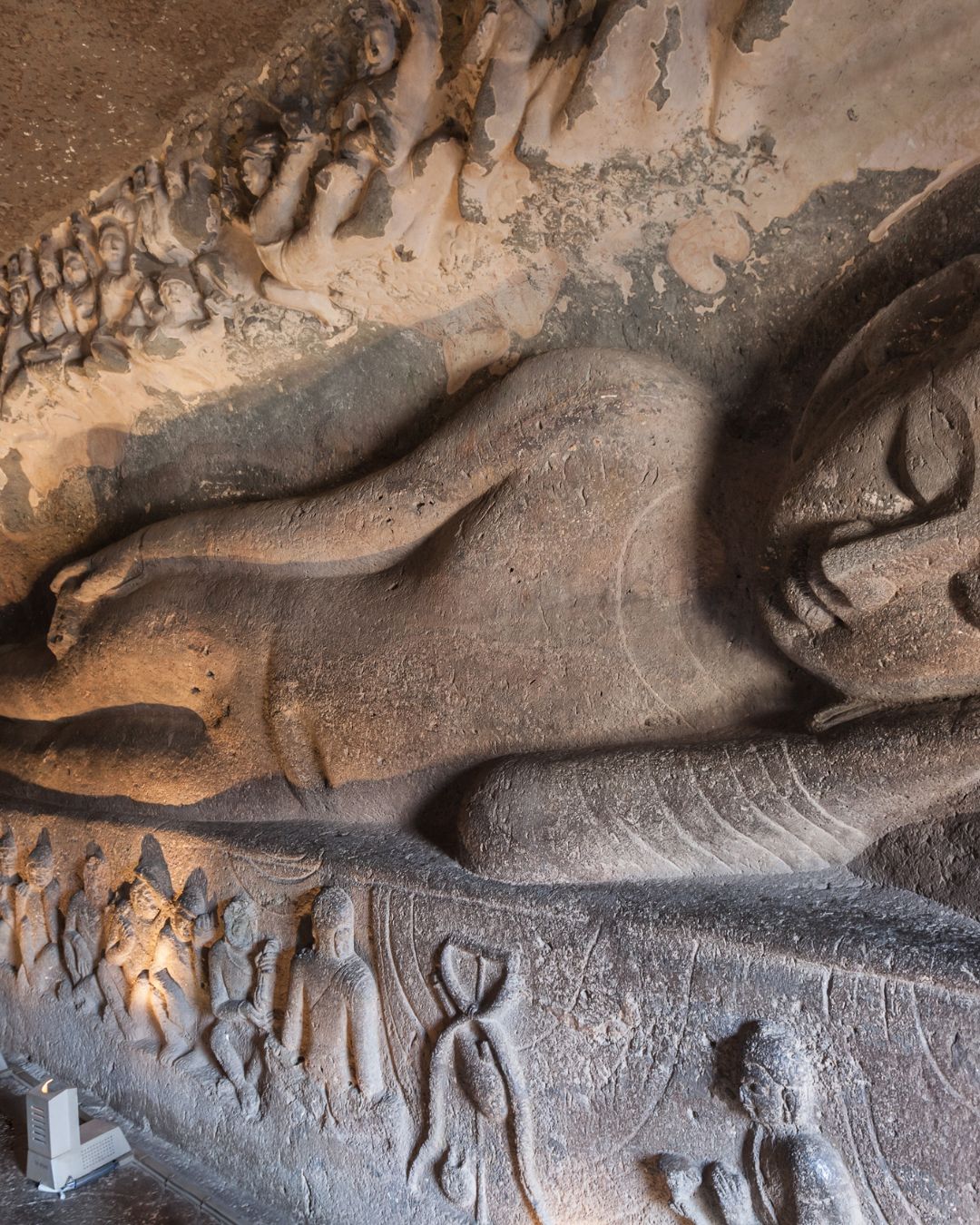
When we began Sacred Waters, we made an early decision: we would not sell 'packages'. The word felt wrong. A pilgrimage is not a product; it is an inheritance, and the way you enter it matters.
So we began writing each yatra as a chapter — with an essence, a narrative, a context of who it suits and when. The itinerary is only the outer shell. The chapter is the reason.
This is why our itineraries always open with the story of the circuit. The Panch Kedar is the trail of the Pandavas' penance; the Shakti Peethas mark where fragments of Sati's body fell to earth; the Sapta Puri are the seven cities where liberation is said to be attainable. The pilgrim who knows this walks differently.
It also shapes how we design the days. Rest nights are placed where the shrine will ask for reflection. A Sanskrit-reading scholar walks with the group at the dhams because the verses were never meant to be read in silence. Meals happen at temple communities where possible, not restaurants.
In the end, the chapter is a promise: that we have thought about the journey the way it deserves to be thought about, and that the itinerary — however comfortable — is only the vehicle for the story.